
Top 10 tips for cross-country moving
Table Of Contents

Moving across the country is a major undertaking. First, it demands thorough planning and precise execution. Additionally, understanding the scope and challenges of such a move is essential. However, a well-organized approach can greatly reduce stress. Fortunately, tips for cross-country moving are readily available to guide you through this complex process. From choosing the right moving company, such as Lippincott Van Lines Connecticut, to packing your belongings securely, each step is crucial. Moreover, preparing for the unexpected is always a wise strategy. Subsequently, the right preparations will ensure your belongings arrive safely. Moreover, they will help you start your new life on a positive note. Consequently, focusing on the logistics and details from the start is beneficial. Thus, anyone planning a long-distance move should consider these strategic tips to streamline their experience.
Plan ahead
Planning ahead is crucial when moving across the country. Good movers often have full schedules, especially from June through August. Therefore, to ensure you secure the services of your preferred Connecticut residential movers, it’s wise to start planning at least eight weeks in advance. Additionally, creating a detailed moving timeline can be incredibly beneficial. This should include key activities such as when to start contacting movers and when to finalize your arrangements.

Moreover, it’s important to schedule utility setups at your new home ahead of time to avoid any disruptions once you arrive. Also, consider the value of a comprehensive moving checklist. Such a checklist can guide you through each step of the packing and moving process, ensuring you don’t overlook anything. Furthermore, make sure to update your address with banks, subscription services, and governmental agencies well before your move. Incorporating these strategies will not only help streamline your moving process but also reduce the potential for last-minute challenges. As a result, you can focus more on settling into your new home and less on the stresses of moving. This proactive approach ensures a smoother transition to your new environment, making the experience as seamless as possible.
Investigate the movers you’re planning to hire
It’s crucial that you hire a licensed, reliable mover when trusting them with your stuff across state lines. Check the following credentials when researching possible long distance movers in CT:
- USDOT License: Movers that cross state lines are required by the Department of Transportation to have a USDOT license. You can easily find a mover’s USDOT number on their MCR listing, website or on the written estimate they provide you. Always make sure the USDOT number is accurate and up to date at Safersys.org.
- Reviews: Read reviews to learn about other customers’ experiences with the movers you’re considering. All of our reviews are verified, so you can trust that they came from a real consumer for a real move. Look for review referencing interstate moves in particular so you know what to expect in terms of timeliness, communication and professionalism.
Initial tips for cross-country moving you should put to the test
Request free moving quotes from at least 3 qualified movers; keeping in mind the cheapest option may not always be the best. Be aware of any hidden charges and the type of estimate offered. Don’t trust estimates over-the-phone. Insist on an in-person estimate to help prevent surprise costs come move day.

Watch out for another “catch”; be sure you understand the difference between a mover and a broker. Your best bet is to stick with a mover since you’ll know exactly who is handing your stuff, and because brokers aren’t covered by current consumer protection laws. If you’re considering cross country movers in CT, ensure that you get the most accurate and thorough estimate possible.
Put it on paper
After selecting a mover, obtain hard copies of the following documents:
- Estimate: This document describes the services for which you’ll be charged.
- Bill of Lading: The receipt for your shipment and the contract for its transportation. You’ll receive this from your mover on moving day, if it doesn’t look right, talk to your mover before signing it.
- Inventory: The detailed list of your household goods showing the number and condition of each item.
Having these documents on hand will ensure if something does go wrong, your bases are covered.
Consolidate belongings
Consolidating your belongings is an essential step when preparing for a cross-country move. First, evaluate your items critically. If you haven’t used something in the last three months, it might be time to let it go. Remember, most furniture movers in CT calculate costs based on the weight of your shipment; therefore, the lighter your load, the cheaper your moving expenses will be. Additionally, consider the benefits of simplifying your possessions. This not only reduces moving costs but also makes unpacking and organizing in your new home easier.

Moreover, think about what to do with items you no longer need. Donating to a charitable organization is a rewarding option, as it helps those in need and often provides you with a tax deduction. Alternatively, hosting a moving sale can turn your unwanted items into extra cash, which can be helpful for covering some moving expenses. Furthermore, recycling or responsibly disposing of items that aren’t suitable for donation or sale is another way to decrease your load. Ultimately, taking the time to sort through and pare down your belongings can lead to a more organized and cost-effective move. This proactive approach not only facilitates a smoother transition but also allows you to start fresh in your new home with only the items that are truly important to you.
Financial tips for cross-country moving
Financial planning for your move is crucial and requires careful consideration of both expected and unexpected costs. Start by setting a budget that covers all known expenses, such as moving company fees, packing supplies, and travel costs. Moreover, it’s wise to anticipate hidden expenses. For instance, using a storage unit during long distance relocations can help if your new home isn’t ready for immediate move-in. Furthermore, you might need to pay deposits for utilities at your new home or face last-minute costs if your moving timeline extends unexpectedly. Additionally, keep in mind that moving can involve several incidental expenses. These might include cleaning services for your old residence or temporary storage fees if your new home isn’t ready. Furthermore, consider the cost of new furnishings or home modifications that might be necessary upon arrival.

If you’re moving for work, explore whether your relocation expenses qualify for tax deductions. In the U.S., certain moving expenses related to a job relocation can be deductible if they meet the IRS distance and time tests. Be sure to keep all receipts and documentation related to your move, as these are necessary for claiming deductions. Finally, setting aside a contingency fund is a prudent strategy. This extra cushion can cover unforeseen costs, ensuring that your move remains within budget. With thorough planning and a detailed budget, you can manage your finances effectively, making your transition smoother and less stressful.
Pack accordingly
The further you move, the more potholes you’re likely to encounter along the way. To ensure your stuff is safe and secure, use durable moving boxes and packing supplies. Many movers will insist on certain types of boxes since they’ll need to fit well into the truck and sustain a long haul. Make sure to check with your moving company on any requirements. Move day kits can save you a bunch of time and money and usually come in standard mover-approved sizes. Kits contain boxes, tape, packing paper, markers and box cutters. The best part? If you order online, your kit will arrive, at your door in 1-2 business days. Some items are far too dangerous to be put in your moving truck, especially for a long-distance move. Be sure to ask your movers what they will not transport.
Protect your move
Protecting your move is crucial given that accidents occur in 1 out of 4 shipments. Understanding your mover’s liability is essential, as most moving companies only offer minimal compensation. Typically, you’ll receive just 60 cents per pound for lost or damaged items. For example, if your 46″ television is damaged, compensation would only be $20 under basic coverage. For more comprehensive protection:
- Opt for Full Value Protection: This covers the current market value, repair, or replacement of damaged items.
- Third-party Insurance: Consider purchasing from outside providers for more extensive coverage.
- Check Homeowners Insurance: Some policies may cover possessions during a move.

Furthermore, documenting all items before the move is critical. Take photos or videos as proof of condition. This can be crucial for claims if damages occur. Also, keep all moving agreements and receipts in a safe place. They are often required when filing insurance claims. It’s also important to:
- Understand the Claims Process: Know the steps and timeline to file a claim with your mover.
- Assess Coverage for High-value Items: Items over $100 per pound need special consideration.
- Consider Mover’s Reputation for Handling Claims: Choose a company known for straightforward claims processing.
By being proactive and choosing the right protection, you can significantly mitigate the risks associated with moving across long distances. This approach ensures that even in the face of unforeseen circumstances, you are well-prepared to handle the situation efficiently. Understanding the common pitfalls of DIY moving can also help you avoid unnecessary stress.
Moving day tips for cross-country moving
On moving day, your active participation is vital. Be there to oversee the movers as they load your belongings onto the truck. This ensures that everything is handled properly. It’s also crucial to carefully review your inventory sheet as items are loaded. Make sure the condition of each item is accurately recorded. Don’t sign off on the inventory until you and the mover are in agreement. Additionally, after the truck is loaded, take one last walk through your home. This final check helps ensure that nothing is left behind. Often, items tucked away in closets or drawers can be overlooked. Moreover, exchange contact information with the drivers handling your move. Having direct communication can address any concerns that might arise during transit.
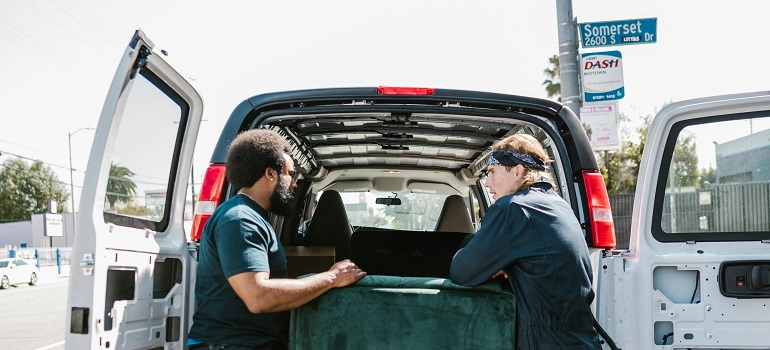
Also, establish a plan for arrival times at your new home. Knowing when the truck is expected to arrive helps in planning your journey accordingly. Finally, prepare a small bag with essentials you’ll need immediately upon arrival at your new home, like toiletries, a change of clothes, and important documents. This preparation can make your first night smoother, letting you focus on settling in rather than unpacking right away.
Be available to your moving company
As soon as your mover hits the road, have your cell on you at all times. Interstate moves are often done on a large tractor-trailer, possibly with other household goods shipments. In these cases, movers need flexibility, so you’ll more than likely be given a “delivery spread,” the timeframe within which your shipment will be delivered. When given a delivery spread, you’ll be contacted by your mover 12-24 hours before delivery day. Arrange travel plans to meet the movers at your new place. If you’re unable to be there, you could be charged extra to have your items stored.
Delivery day tips for cross-country moving
Make the unloading process as smooth as possible by following these steps on delivery day:
- Have your payment ready. Typically you’ll pay your mover on delivery, before your goods are unloaded.
- Use your inventory sheet to check all items were delivered, and in good condition. Don’t sign any documents until you’ve confirmed this.
- When finished, don’t forget to tip your mover for a job well done!

Unlock the secrets to a smooth cross-country relocation
Embarking on a cross-country move is undoubtedly a significant life event. With the right planning and tips for cross-country moving, the experience can be less daunting and more efficient. Additionally, engaging professional movers plays a pivotal role in ensuring your belongings arrive safely and on time. Moreover, familiarizing yourself with your new location before the move can greatly ease the transition, allowing you to feel at home quicker. Furthermore, remember that such moves are not just about transporting items; they are about starting fresh in a new environment. Therefore, embracing the journey with positivity and preparedness can transform a potentially stressful experience into an exciting adventure. Consequently, with careful planning and the right support, your cross-country move can open the door to new opportunities and adventures.
Free Moving Quote
"*" indicates required fields
Client’s Testimonials
Lippincott Van Lines team was efficient and professional from start to finish! Made our move stress-free and handled our belongings with the utmost care. I’d definitely recommend them to everyone looking for great movers in CT!
Mark Davis

from North Haven


